Overview
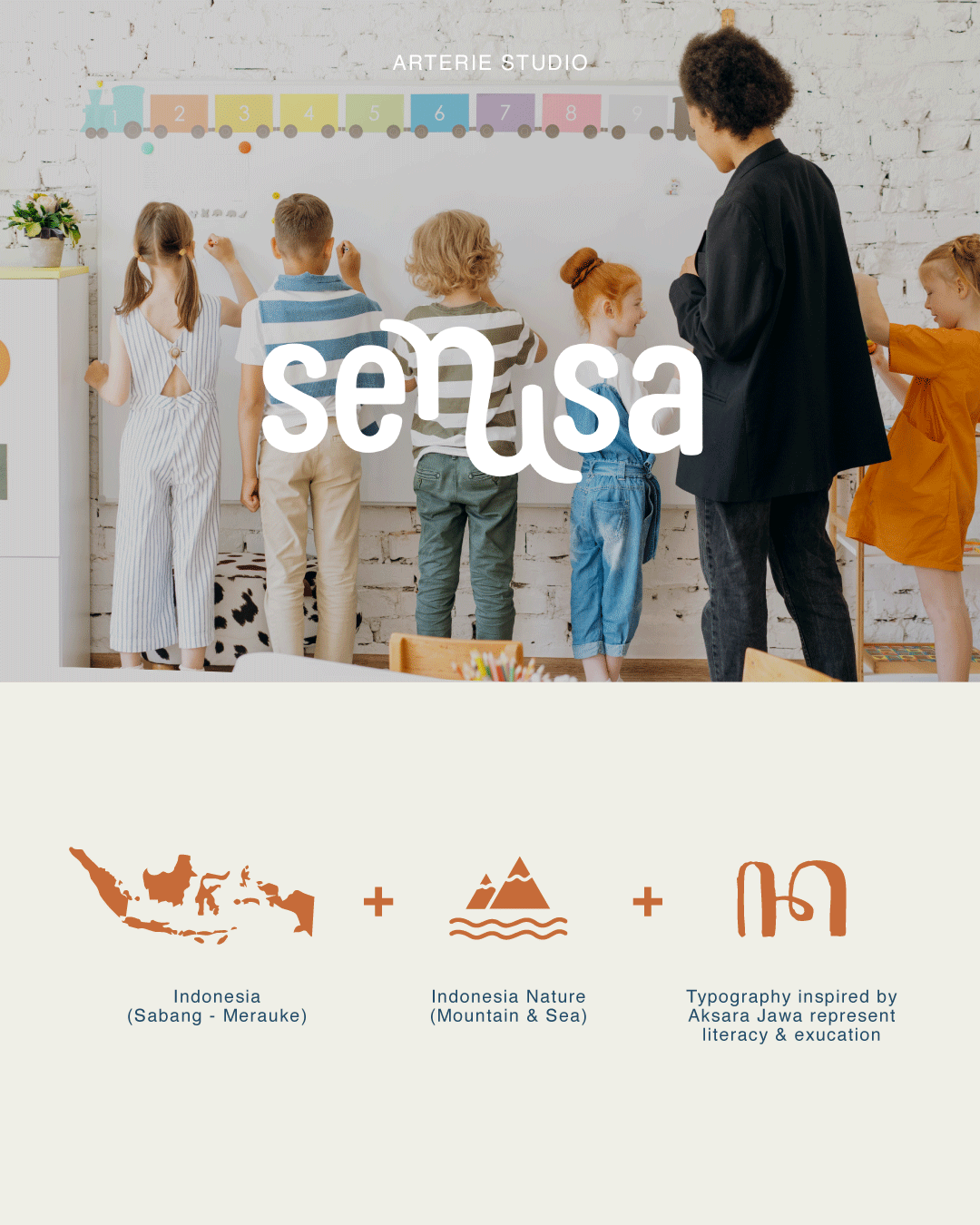
Senusa is a school with a premium positioning in the kids education market. The brief from the start was to build a full brand identity that felt unmistakably Indonesian, not in the generic batik-and-wayang sense that most local institutions default to, but in a way that was considered and could hold up as a long-term visual system.
That is a harder brief than it sounds. Most Indonesian branding that tries to lean into national identity ends up looking either too touristy or too formal. Senusa needed to feel warm, premium, and genuinely local, all at once.

The problem
The client wanted a full brand identity built around Indonesian identity as a real concept, not a decorative layer. This ruled out the usual shortcuts. No generic batik motifs, no obvious hero symbols, no red-and-white wave patterns. The Indonesian-ness had to come from something with more meaning behind it, something that could carry a philosophy as well as a visual style.
The secondary constraint was the audience. This is a school. The brand has to work for parents making decisions about their kids' education, and for the kids themselves. Premium and local are useful attributes in that context, but they have to coexist with warmth. A brand that feels cold or institutional fails even if the design is technically good.
The thinking behind the logo
The concept comes from Indonesia's geography. Indonesia is an archipelago, a country defined by the shape and spread of its islands. We built that idea directly into the logo system. The logomark contains the form of the islands, not as a literal map, but as abstract shapes that carry the reference if you know to look for it. The logotype itself was designed so the island shapes live inside the letterforms.
That is the kind of decision that has to be justified by the concept. It is not decoration. The archipelago is the philosophy. A school operating in Indonesia, educating Indonesian kids, built on the idea that Indonesia's shape and diversity are worth being proud of. The logo carries that thought without having to say it out loud.

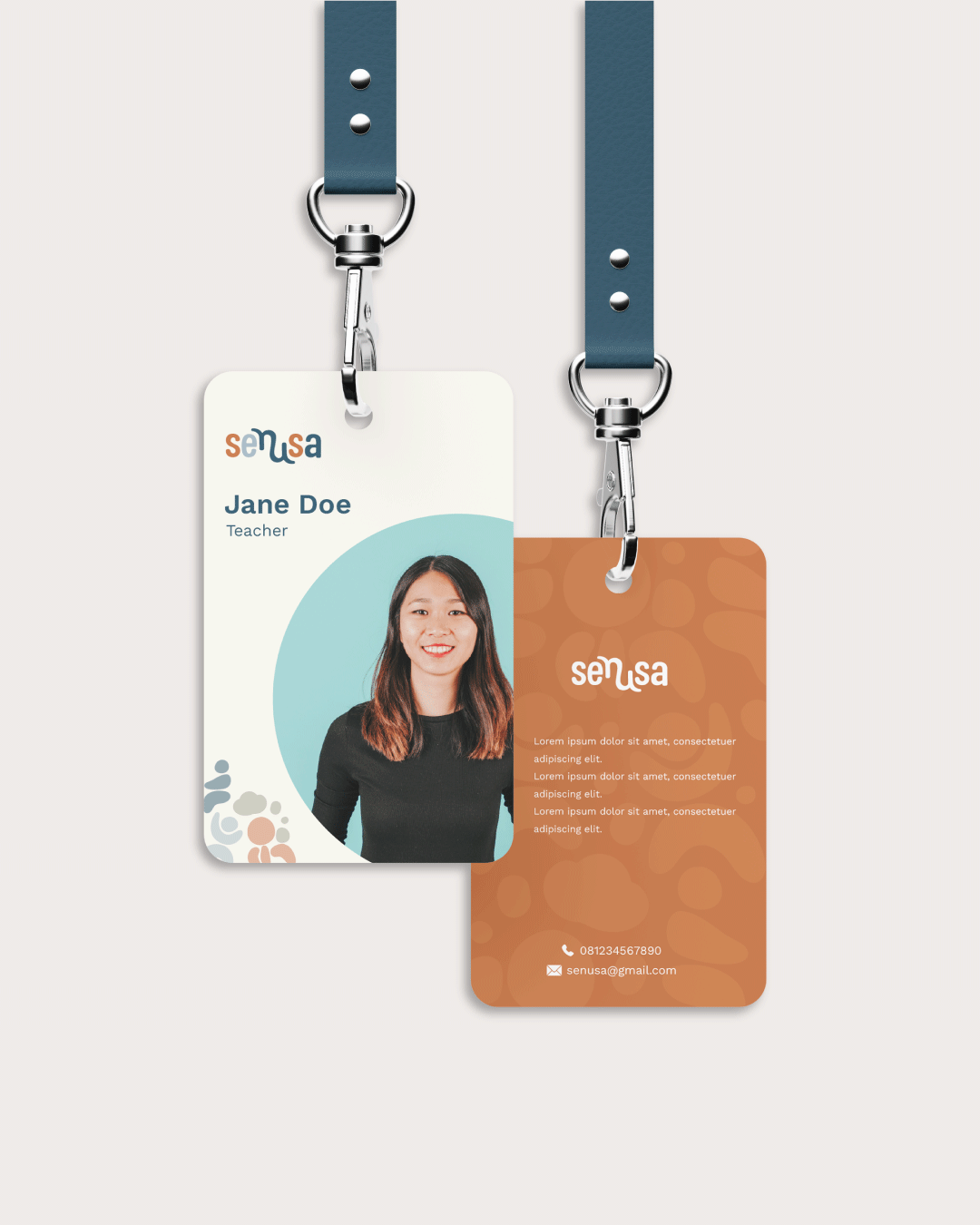
The supergraphic system
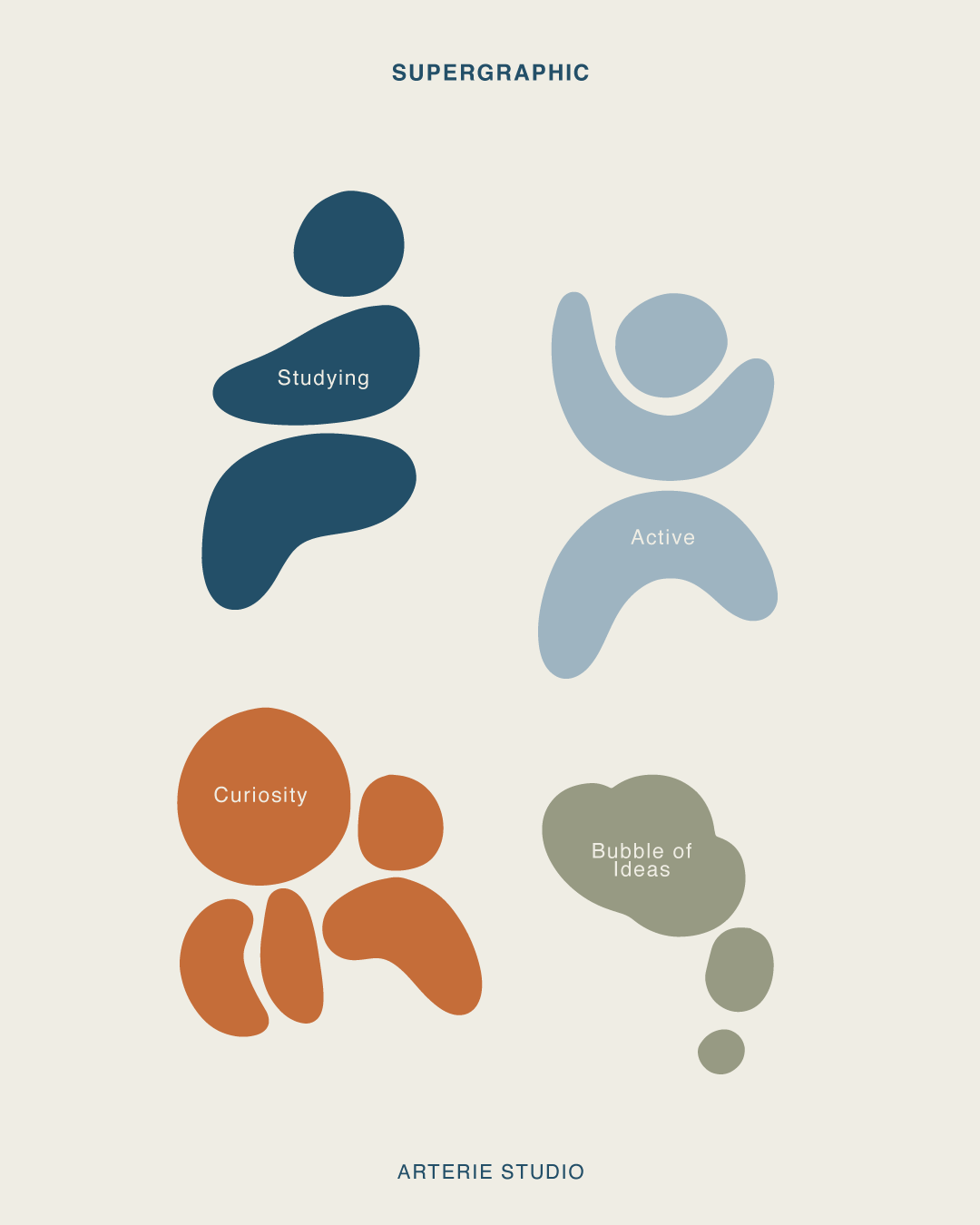
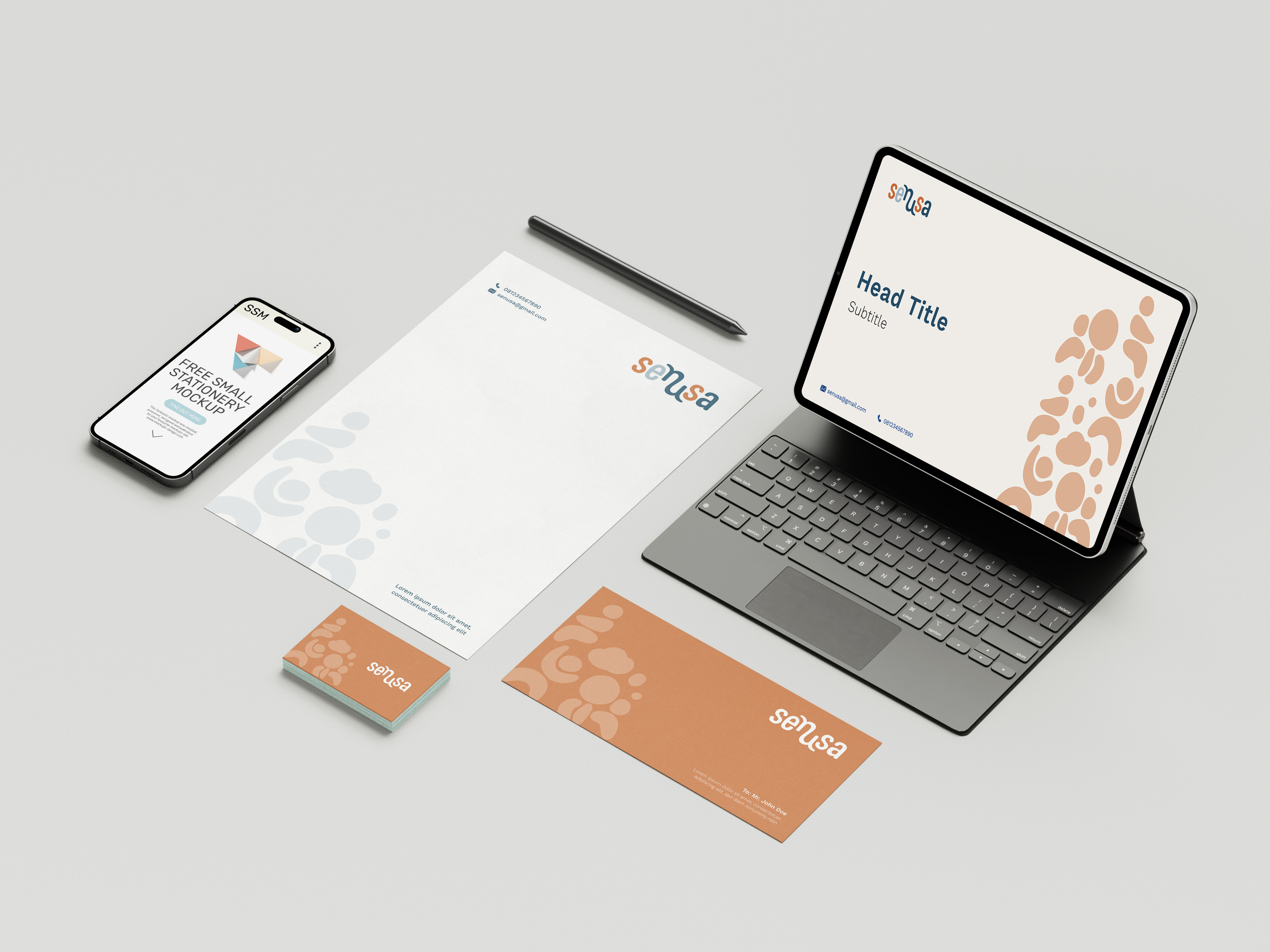
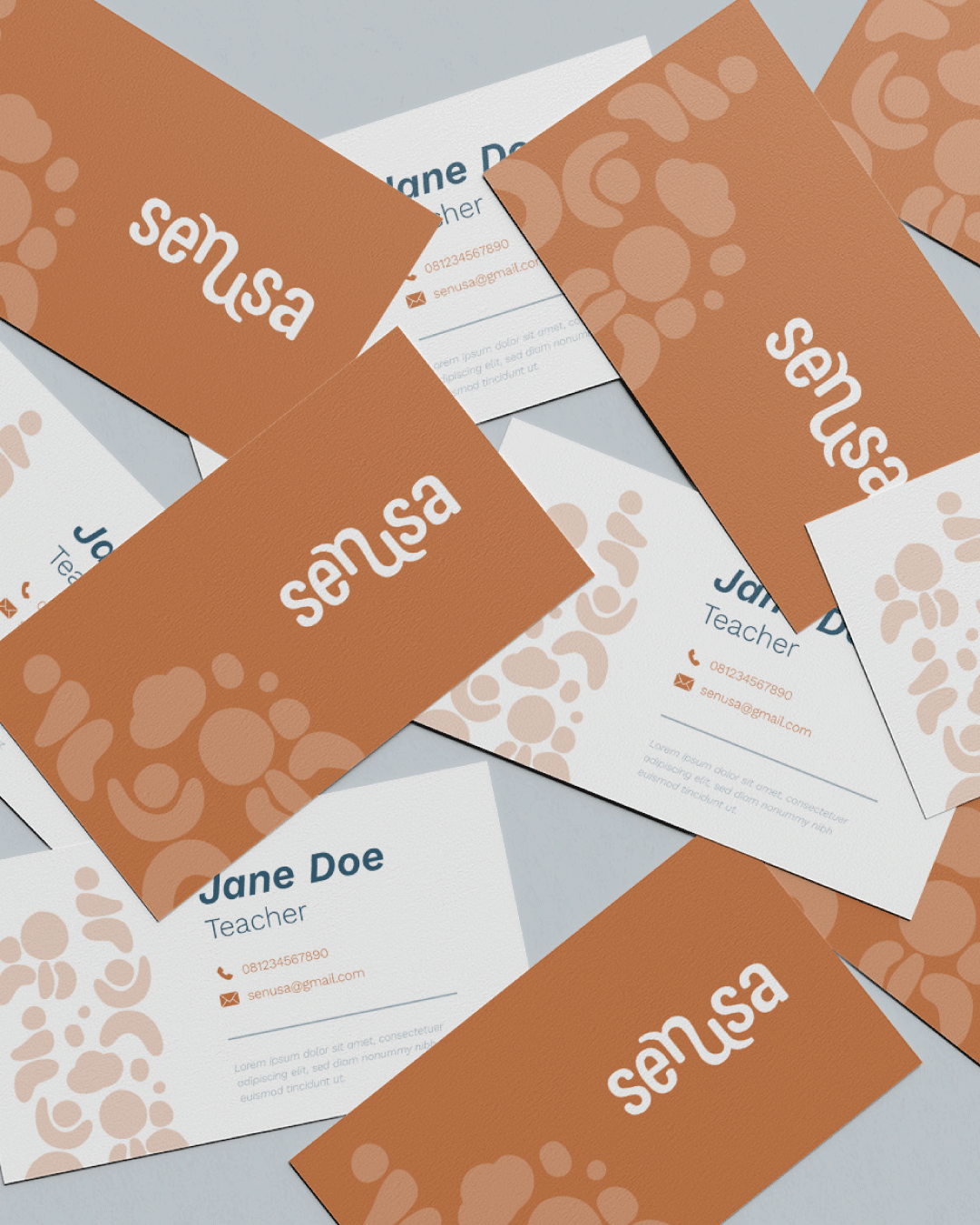
The island references extend beyond the logo into the full supergraphic system. The graphic language uses abstracted island forms across backgrounds, patterns, and supporting visual elements. This means the brand scales consistently from a letterhead to a building facade without needing the logo to be present for the identity to read.
Supergraphic systems are where a lot of school brands fall apart. The logo is strong but nothing else holds up under it. The visual system built for Senusa was designed to work at every scale and in every application a school's communication needs, from admissions materials to signage to digital content.
What this project covers
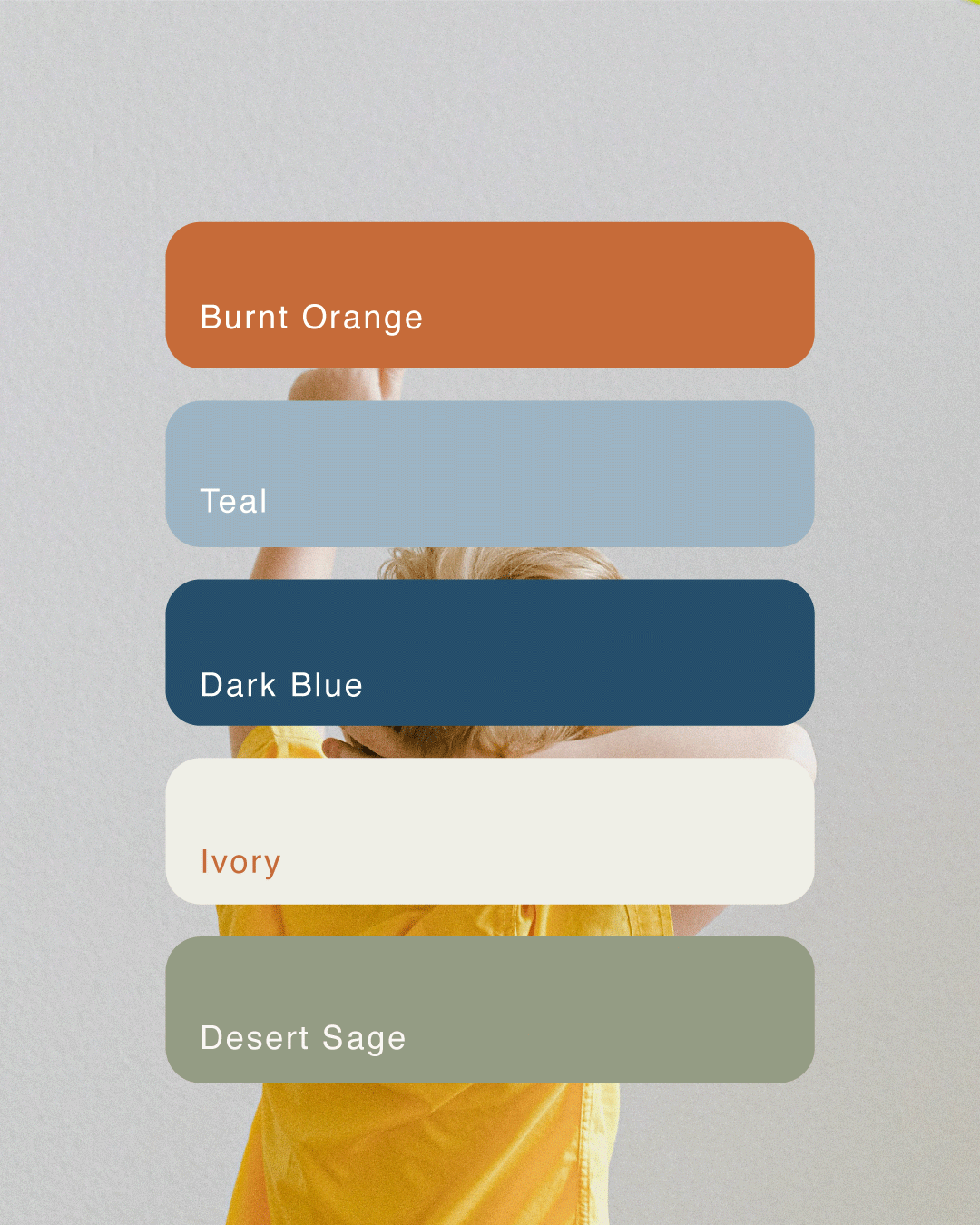
For schools and educational institutions looking at branding agencies in Indonesia, particularly ones working on full brand identity with a genuine local dimension, this case study covers the relevant ground. Logo design rooted in concept rather than decoration, a supergraphic system built to scale, and a full visual identity that can carry the brand consistently across all its touchpoints.
Why the geography angle worked
Schools that lean into national identity often do it performatively. A flag here, a traditional motif there. It reads as obligatory rather than genuine, and the audience notices, even if they cannot explain what feels off.
The Senusa identity works because the archipelago concept is actually about something. It says something real about the country and, by extension, about what a school built in that country might believe. That is the difference between identity as concept and identity as decoration. The concept version has legs. The decoration version does not.
Little Sweet.
→Want a brand that works
this hard?
Tell us about your project. We'll reply within 5 minutes.